Trying to twist your coily or kinky hair with standard tutorials leaves you frustrated—dry ends, slippage, tension headaches. And most “how-tos” ignore the unique shrinkage, density, and porosity of Afro-textured strands. Here’s the fix: a method built *for* your hair, not against it. Welcome to twists that last, define, and actually protect.
Why Standard Twist Techniques Fail on Afro-Textured Hair
Most YouTube tutorials assume Type 3 curls—not tight coils or zig-zag patterns. They skip moisture sealing, use slick gels that flake, or pull sections too thin. The result? Frizz by day two. Breakage at the roots. Or worse—product buildup that suffocates your scalp. Afro-friendly twists aren’t just about style—they’re structural. They account for curl retraction, tensile strength, and sebum distribution. Ignore that, and you’re fighting physics.
Afro-Friendly Twists: The Step-by-Step Stylist Method
Forget “wash-and-go.” This is wash-and-*stay*. Do it right, and your twists hold 7–10 days without frizz takeover.
Prep Like a Pro—Not an Afterthought
Shampoo with a clarifying sulfate-free formula. Follow with a protein-moisture balanced conditioner—think hydrolyzed wheat protein meets shea butter. Rinse in cool water. Then, detangle only when soaking wet, using a wide-tooth comb from ends upward. Dry to damp—not dripping, not bone-dry. That sweet spot is 70% dry.
Product Layering That Locks In Definition
Apply in this order: leave-in conditioner (water-based), then a lightweight oil (jojoba or grapeseed), then a twisting cream with hold—but no alcohol. Skip mousse; it dries out dense hair fast. Use your fingers, not brushes, to distribute. Less is more. Too much product = crunchy, unnatural rods.
Sectioning Strategy for Maximum Retention
Use sharp parting tools, not blunt rattails. Section into squares, not triangles—uniformity prevents weak points. Size matters: smaller twists on thinning areas (temples, crown), larger ones in thick zones. Always twist on stretched hair (banding or bantu knots overnight). Unstretched twists shrink into undefined clumps.
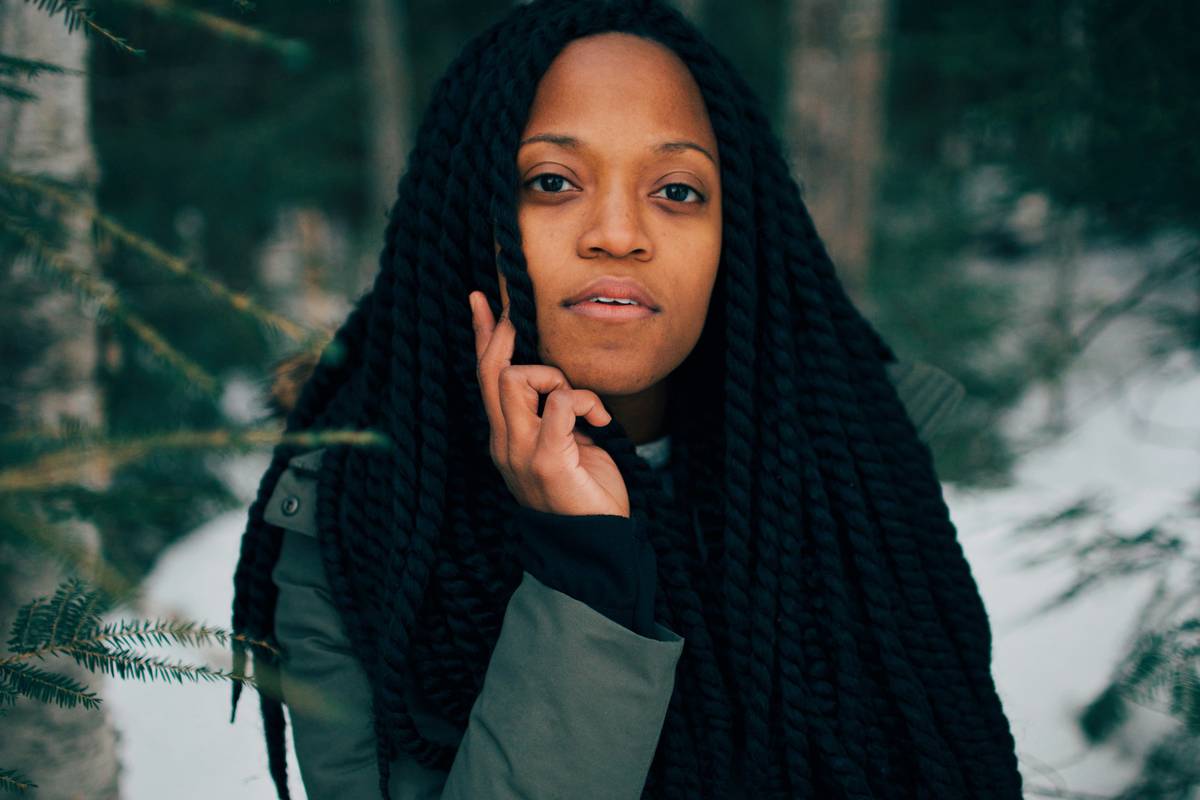
| Twisting Method | Hold Duration | Frizz Risk | Best For |
|---|---|---|---|
| Finger Twists (Damp) | 3–5 days | High | Loose curls (Type 3) |
| Rod Sets + Twist-Out | 5–7 days | Medium | Mixed textures |
| Afro-Friendly Twists (Stretched + Layered) | 7–14 days | Low | Tight coils & kinks (Type 4) |
| Synthetic Two-Strand Twists | 4–6 weeks | N/A | Protective styling only |
The Industry Secret: Tension Isn’t the Enemy—Direction Is
Stylists won’t tell you this: slight tension at the root *strengthens* the twist base—if applied correctly. The trick? Twist away from the part line, not toward it. This aligns with your hair’s natural growth pattern. Pulling toward the part creates stress fractures over time. Also—never twist from root to tip in one motion. Start mid-shaft, then roll down, then anchor the root last. This reduces snap-back and keeps definition sharp. And here’s the real pro move: sleep on silk, but mist with rosewater + glycerin mix every third night. Hydration without saturation.
Frequently Asked Questions
Can I do Afro-Friendly Twists on dry hair?
No. Dry hair lacks elasticity—twisting it causes micro-tears. Always work on damp (not wet) hair to prevent breakage and ensure smooth coil formation.
How often should I retwist my edges?
Edges loosen faster due to movement and oils. Refresh every 3–4 days using a soft-bristle brush and edge control with flaxseed—not petroleum.
Do Afro-Friendly Twists promote hair growth?
Indirectly. By reducing manipulation and protecting ends, they minimize breakage—which lets your hair retain length. But twists don’t speed up follicle activity.