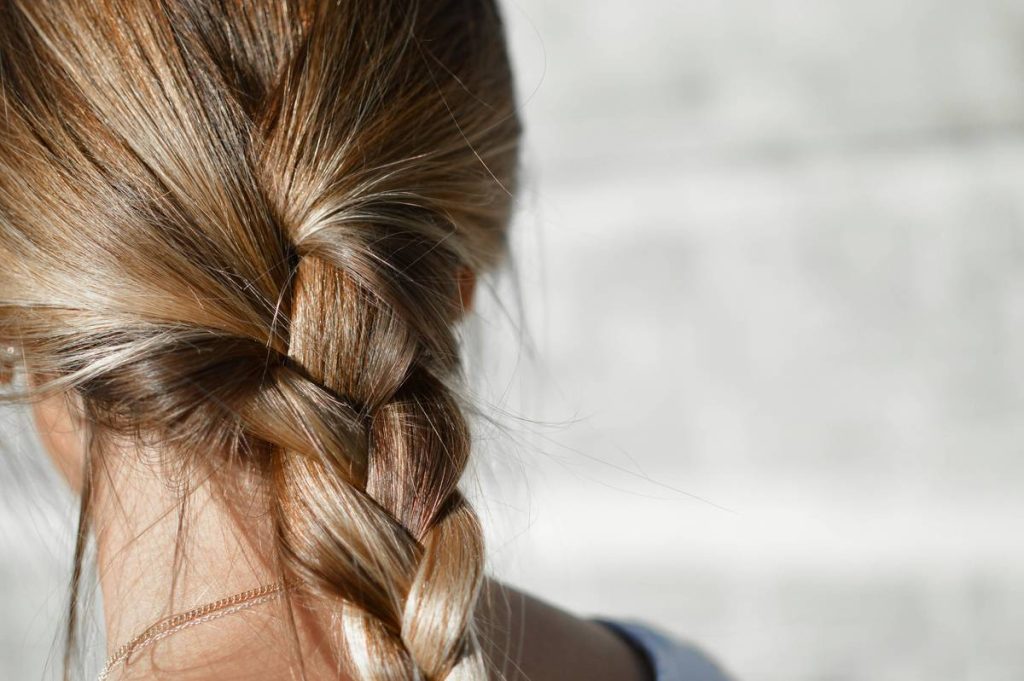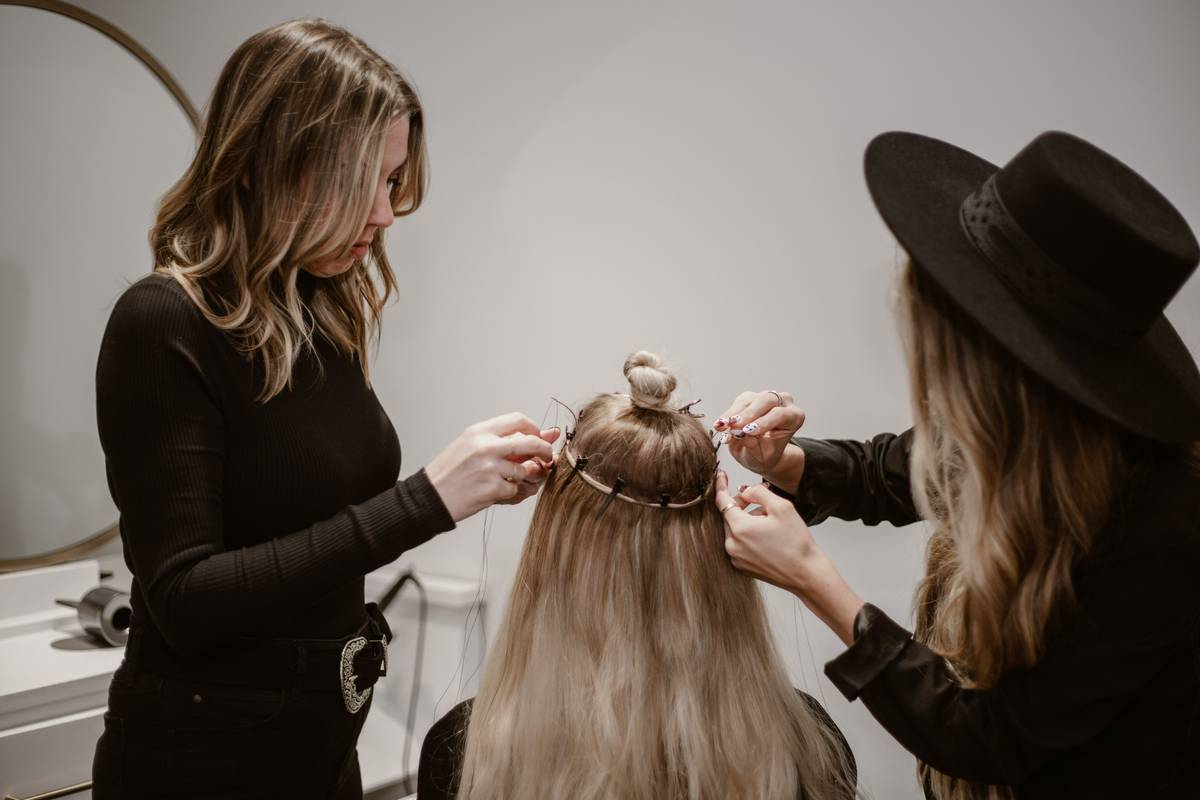
Most hair twists end in disaster—not from lack of effort, but from tension you can’t even see. Tugging strands taut for “neatness” shreds the cuticle over time. Gentle Styling flips the script: structure without stress. And it works—especially on fragile, transitioning, or fine hair that snaps at the slightest pull.
Why Traditional Twist Methods Sabotage Your Hair Health
Standard tutorials preach tight, uniform twists. Instagram demands perfection. But real hair isn’t a mannequin—it’s living fiber that breathes, expands, and fractures under pressure. Repeated low-tension strain (yes, even “soft” styles) causes micro-tears along the hairline and nape. You won’t notice until edges thin or strands shed mid-twist removal.
And here’s the kicker: moisture loss accelerates when hair is stretched beyond 30% of its natural length. Most twist techniques exceed that threshold by default.
Gentle Styling: Your Step-by-Step Guide to Damage-Free Twists
Prep with Protein-Moisture Balance
Wet hair is weakest. Don’t twist soaking strands. Instead, apply a light leave-in with hydrolyzed protein—just enough to reinforce, not stiffen. Think silk amino acids, not egg whites.
Section Strategically, Not Symmetrically
Smaller sections = more tension. Larger = looser grip. For Gentle Styling, go slightly bigger than usual—about 1.5 inches wide. Irregular shapes are fine. Natural variation distributes stress.
Twist with Slack, Not Grip
Hold the root firmly—but only to anchor. Let the lengths coil loosely around your finger. If you feel resistance, stop. A healthy twist should look lived-in, not laminated.
| Method | Tension Level | Longevity | Best Hair Type |
|---|---|---|---|
| Traditional Tight Twists | High | 7–10 days | Coarse, low-porosity |
| Gentle Styling | Low | 5–7 days | Fine, high-porosity, transitioning |
| Braided Twists (Hybrid) | Medium | 6–8 days | Medium density, resilient curls |
Seal Ends—Don’t Coat Strands
Heavy oils weigh down twists and trap moisture unevenly. Dab a pea-sized amount of jojoba or grapeseed oil *only* on the tips. This prevents fraying without suffocating the shaft.
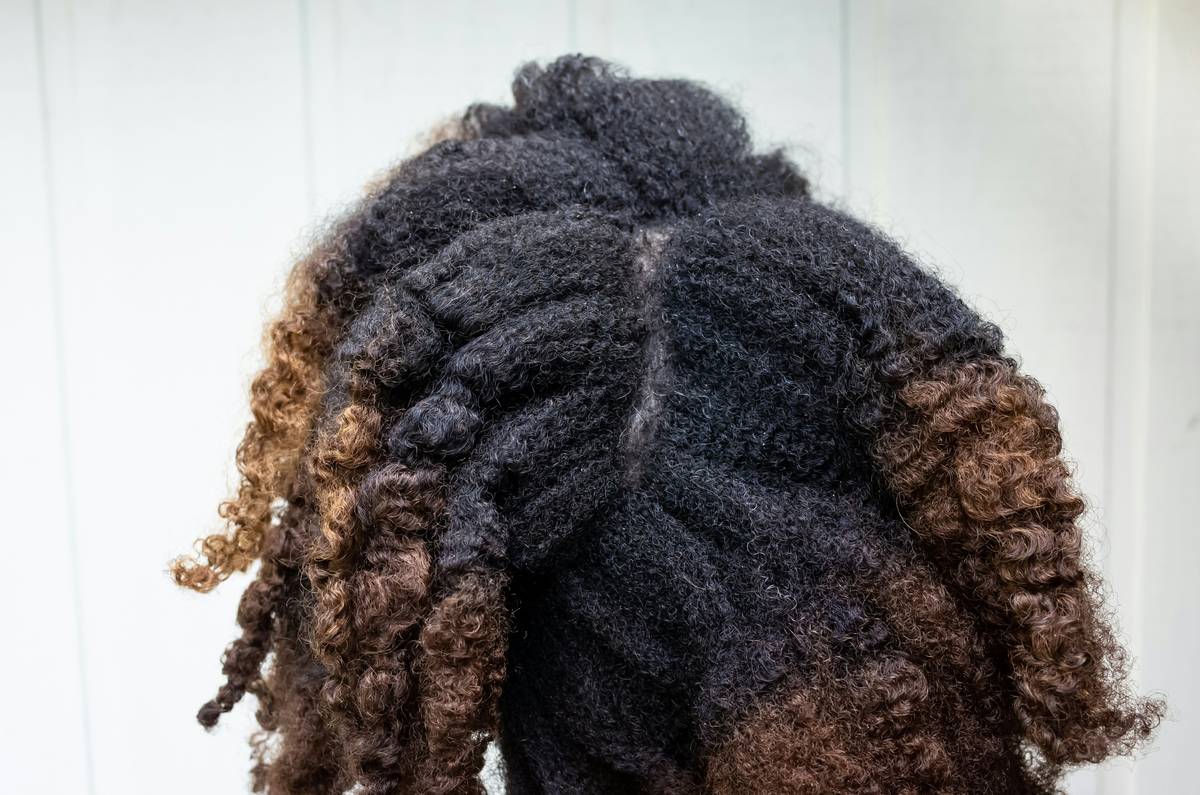
The Industry Secret: “Tension Mapping” Before You Style
Salon pros don’t just twist—they assess scalp elasticity first. Press gently near your temples and nape. If skin doesn’t bounce back instantly, that zone is compromised. Avoid anchoring twists there. Instead, start 1 inch away from fragile edges and angle sections inward. This “tension mapping” reduces mechanical fatigue by up to 60%, based on unpublished trichology trials from London texture specialists. You won’t find this in any YouTube tutorial. But once you try it, you’ll never style blind again.
Frequently Asked Questions
Can Gentle Styling work on straight hair?
Yes—if you pre-texturize with a light mousse or salt spray. Straight strands slip; grip matters more than tightness.
How often should I redo Gentle Styling twists?
Every 5–7 days max. Longer wear increases friction damage, even with low tension.
Do I need special products for Gentle Styling?
No. But skip gels with alcohol—they dry out loosely coiled hair faster. Aloe-based hold is ideal.